Assassin's Creed Shadows arrived with more weight on its shoulders than most entries in the series. Ubisoft needed a strong commercial and critical response, and the game was also one of the most scrutinized releases in recent memory. Two days after launch, Ubisoft revealed that the long-awaited title had surpassed two million players across all platforms. That figure, combined with a prominent position on the Steam charts, suggested that the project had stuck the landing at a moment when the company could hardly afford a miss. Looking back from 2026, the launch window remains a useful case study in how a polarizing discourse and a familiar open-world formula can coexist with a clear commercial win.
A Strong Opening Despite the Noise
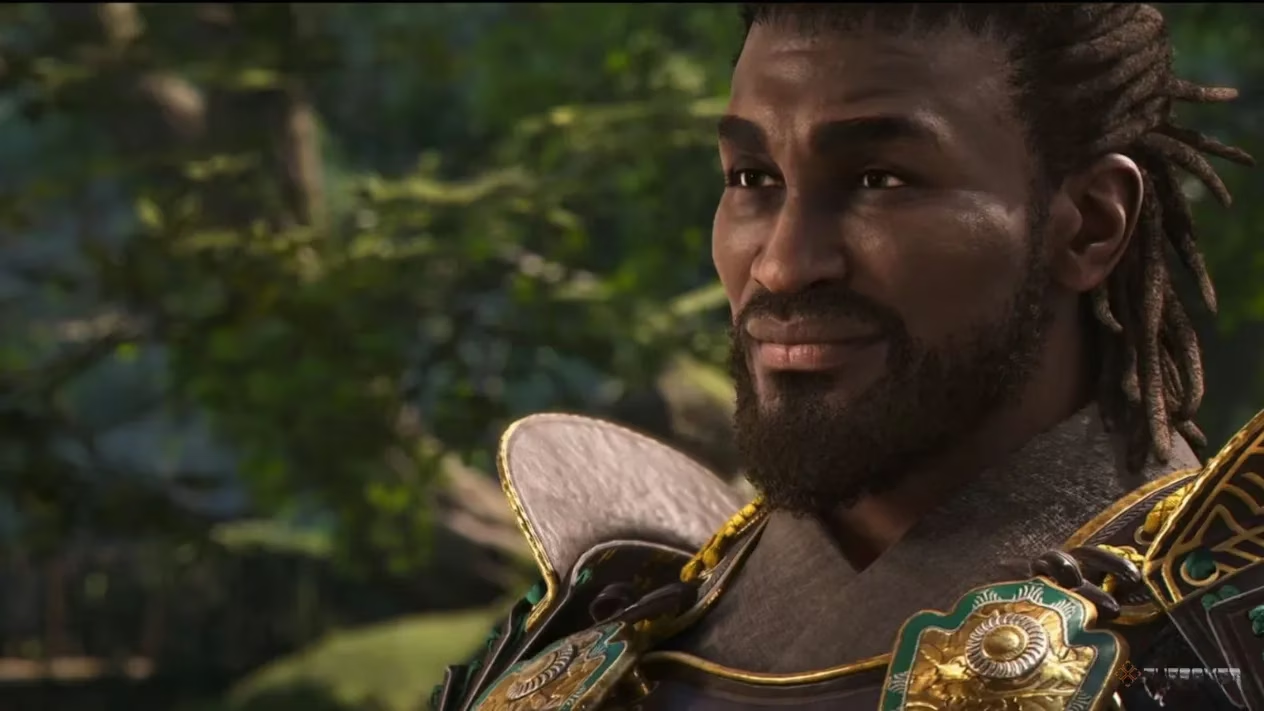
The most striking part of the early performance was not simply the raw player count. It was the context. Assassin's Creed Shadows had been surrounded by controversy since its reveal, becoming one of the most visible games in the broader culture-war and anti-woke discourse. Much of that attention centered on Yasuke serving as one of the protagonists, a decision that drew heated commentary long before release. At launch, the conversation intensified again when players discovered optional romances, a feature consistent with previous Assassin's Creed games. Yet the early numbers indicated that this noise did not derail the game's commercial momentum.
Early engagement placed Assassin's Creed Shadows ahead of the launches of Assassin's Creed Origins and Assassin's Creed Odyssey, according to the launch comparisons that circulated at the time. On Steam, the game climbed to the top of the charts and was beaten only by Counter-Strike 2, making it the best-selling premium game on the platform at that moment. For a title that had to help turn around Ubisoft's ailing fortunes, those were encouraging signs.
| Early signal | Result | Why it mattered |
|---|---|---|
| Player reach | More than two million players across all platforms within two days | Gave Ubisoft a rare piece of good news and suggested strong demand |
| Steam position | Topped the charts, behind only Counter-Strike 2 | Marked it as the best-selling premium game on Steam at the time |
| Launch comparison | Outpaced the early launches of Origins and Odyssey | Suggested the brand still carries substantial pull |
| User reception | Very positive Steam user reviews | Indicated that long-term fans were largely enjoying the experience |
| Critical reception | Mostly positive | Praised the Feudal Japan recreation and the writing of Yasuke and Naoe |
The Familiar Strengths and the Familiar Complaints
The critical response was largely positive, though not without caveats. Reviewers and players alike responded well to the game's recreation of Feudal Japan, which gave the open world a strong sense of place and atmosphere. The writing for Yasuke and Naoe also drew praise, with the dual-protagonist structure offering two distinct perspectives within the same historical setting. For many longtime fans, those elements were enough to make Assassin's Creed Shadows feel like a meaningful entry rather than a simple reskin.
At the same time, the game inherited the criticisms that have followed the Ubisoft formula for years. Some players pointed to bloat, repetitive gameplay loops, and a map that could feel overwhelming rather than inviting. These complaints did not appear to overwhelm the overall reception, but they highlighted a persistent tension: the same large-scale structure that gives Assassin's Creed its recognizable identity can also make individual sessions feel like checklist work.
-
✅ Strong early player numbers across all platforms
-
✅ Best-selling premium game on Steam at launch
-
✅ Very positive user reviews from longtime fans
-
✅ Praise for Feudal Japan, Yasuke, and Naoe
-
⚠️ Complaints about bloat and repetitive gameplay
-
⚠️ Continued debate over the Ubisoft open-world formula
Why the Launch Still Matters in 2026
By 2026, the conversation around Assassin's Creed Shadows has had time to settle, but the launch window remains instructive. A game can be targeted by intense cultural criticism and still find a large audience if the core fantasy is compelling enough. The two-million-player milestone did not answer every question about the game's long-term legacy, nor did it erase concerns about repetition and scale. What it did show was that the Assassin's Creed name, a strong setting, and a pair of well-received protagonists could overcome a hostile online narrative.
For Ubisoft, the result was more than a single successful release. It was evidence that the company's flagship franchise still has room to grow, even when the surrounding discourse is exhausting. For players, Assassin's Creed Shadows became a reminder that launch controversies rarely tell the whole story. The early charts and player counts told one version of events; the user reviews and critical praise told another. Taken together, they painted a picture of a game that stumbled into a storm and still managed to find its footing.
As reported by Destructoid, the broader reaction to Assassin's Creed Shadows can be understood as a mix of strong player enthusiasm and familiar skepticism toward Ubisoft's open-world design habits, which aligns with the game's launch narrative of commercial momentum, positive audience response, and ongoing debate over repetition, scale, and long-term franchise evolution.