By 2026, the conversation around Assassin's Creed Shadows had settled into a surprisingly clear shape. It was not the best game in the franchise, and few players pretended otherwise. Yet it was a huge step up from the recent RPG-era entries in the ways that mattered most: combat, stealth, hideouts, and world design. Ubisoft had built something uneven but instructive, a game that future sequels could study the way a swordsman studies an old scar. The studio had been pressed against a wall, and the result proved that pressure could still produce precision. Shadows leaned on the tired revenge trope, but it also showed that the company could still sharpen its core mechanics when it had something to prove.
The Hideout That Finally Grew Up
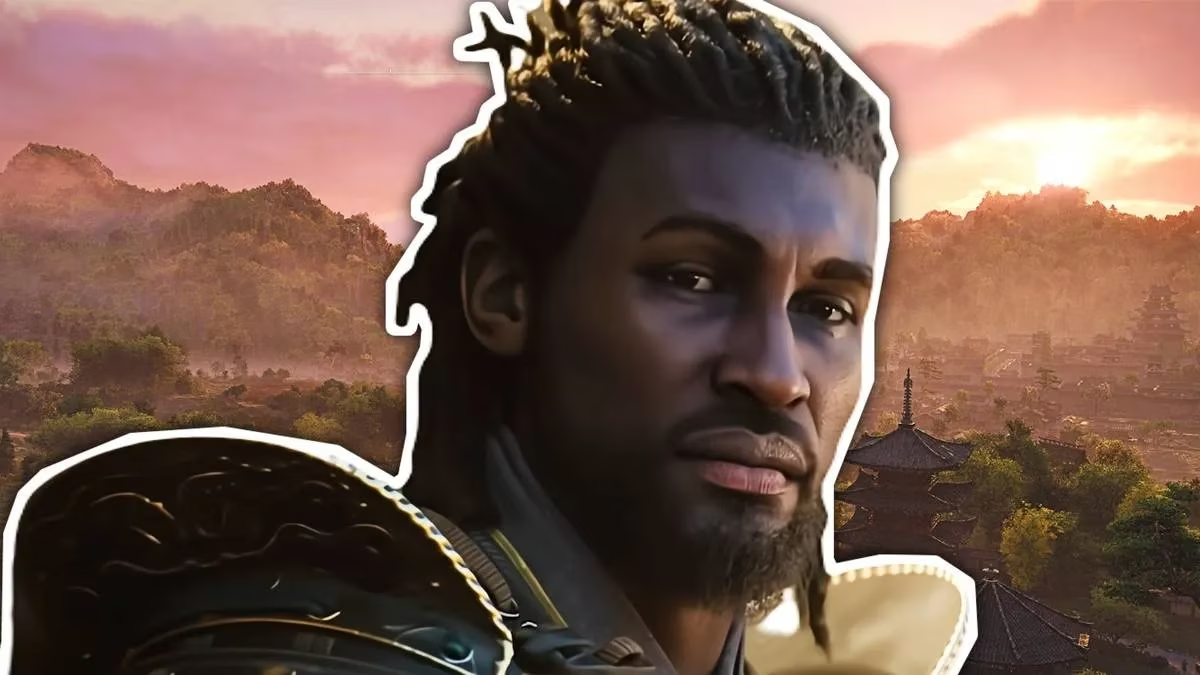
Assassin's Creed Shadows did not invent the hideout, but it finally let the hideout breathe. The series had been circling the idea for years. Villa Monteriggioni in Assassin's Creed 2 could be upgraded, yet it remained a mostly static space. Brotherhood added recruits, missions, and a stronger sense of ownership. Assassin's Creed 3 tied homestead upgrades to stories, though it rarely pushed beyond improving buildings on a pre-made base. Valhalla brought bases back, but the result felt like a modest upgrade rather than a new foundation.
Shadows changed that. Its hideout is a fully customizable structure with real freedom in building placement. Players can arrange paths, rooms, and decorations, then personalize the space with animals, foliage, and ornaments. The result is not just a menu with walls. It is a player-driven hub that reflects taste, progress, and identity. That matters because Assassin's Creed has never had a base system this expressive. If the next game removes it, the loss will be obvious. Ubisoft should treat this feature as a new standard, not a one-off experiment.
Combat That Stopped Feeling Like a Chore
For years, the RPG-era combat in Origins, Odyssey, Valhalla, and Mirage felt stiff and disjointed. Shadows pulled away from that stiffness. Animations improved, gore became more visceral, and each hit began to flow into the next. For the first time in a long while, combat felt less like a chore and more like a satisfying dance of death. The difference was not only in the numbers. It was in the rhythm.
Weapon variety helped. Katanas, kusarigama, tanto, bows, rifles, and clubs all carried distinct weight and style. Switching weapons changed the fight entirely, which made loadout choices feel meaningful. The quick swap between two equipped weapons was especially important. It gave players a tactical answer to shifting battles and kept the action from settling into repetition. That feature should return in the next entry. Shadows proved that variety and responsiveness can coexist, and the series should not forget the lesson.
Stealth as a First Language
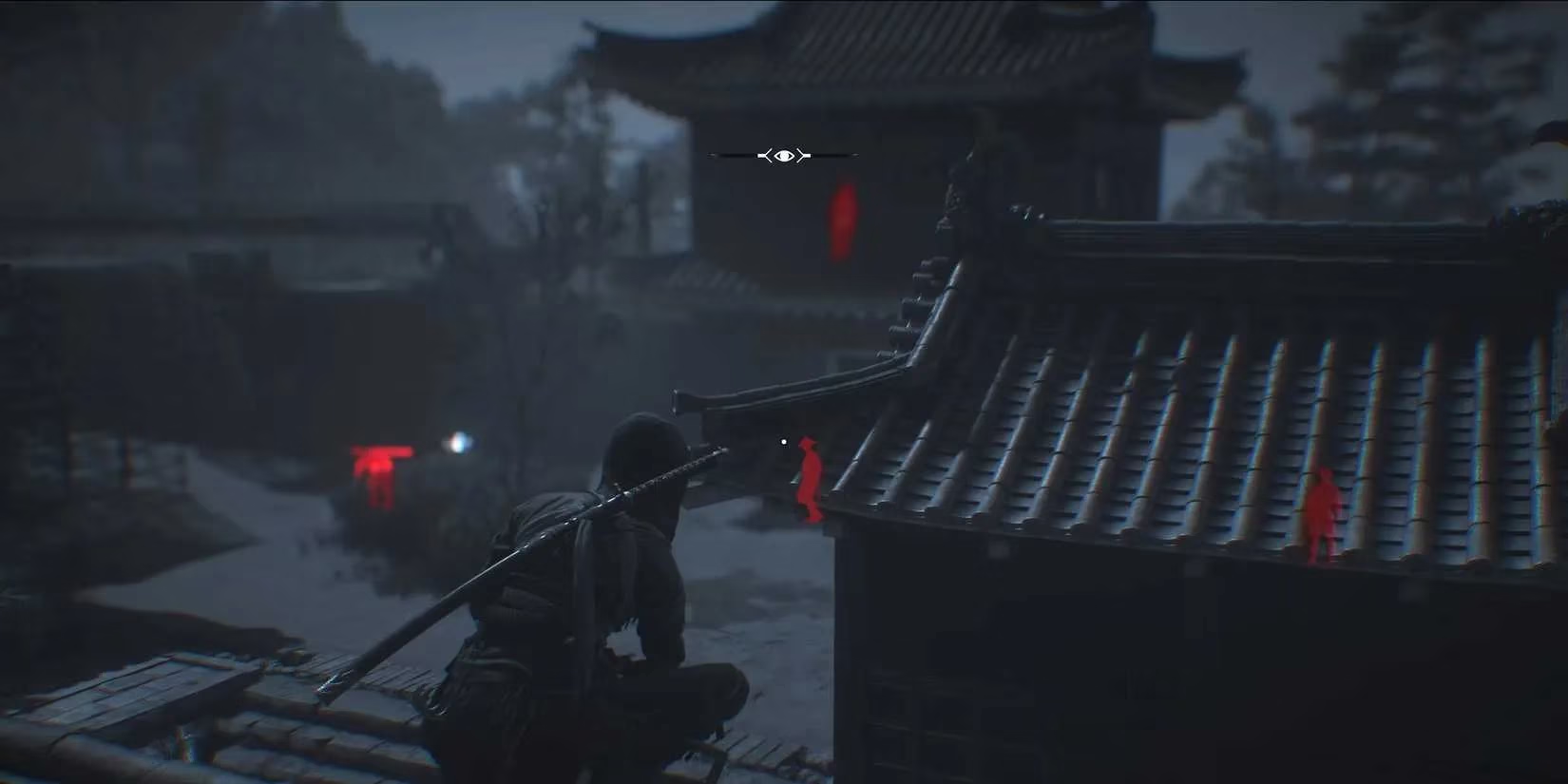
Shadows treats stealth as a core language rather than a secondary option. Naoe has to read the environment. Shadows, snow, and corners become tools, and foliage is no longer an automatic promise of safety. Players began to think about what would expose them, not merely where they could hide. That shift made infiltration feel tense and intentional.
Naoe's kit supports that tension. Kunai distract, shuriken silence, smoke bombs create openings, and climbing opens vertical routes. Yasuke offers a different answer for players who prefer direct confrontation, which keeps the game from forcing one playstyle on everyone. The enemies still need refinement, because they can feel too slow when tracking Naoe. Even so, Shadows delivers the best stealth mechanics Ubisoft has made for Assassin's Creed. The next game should build on this foundation instead of flattening it back into an afterthought.
A Feudal Japan That Lingers
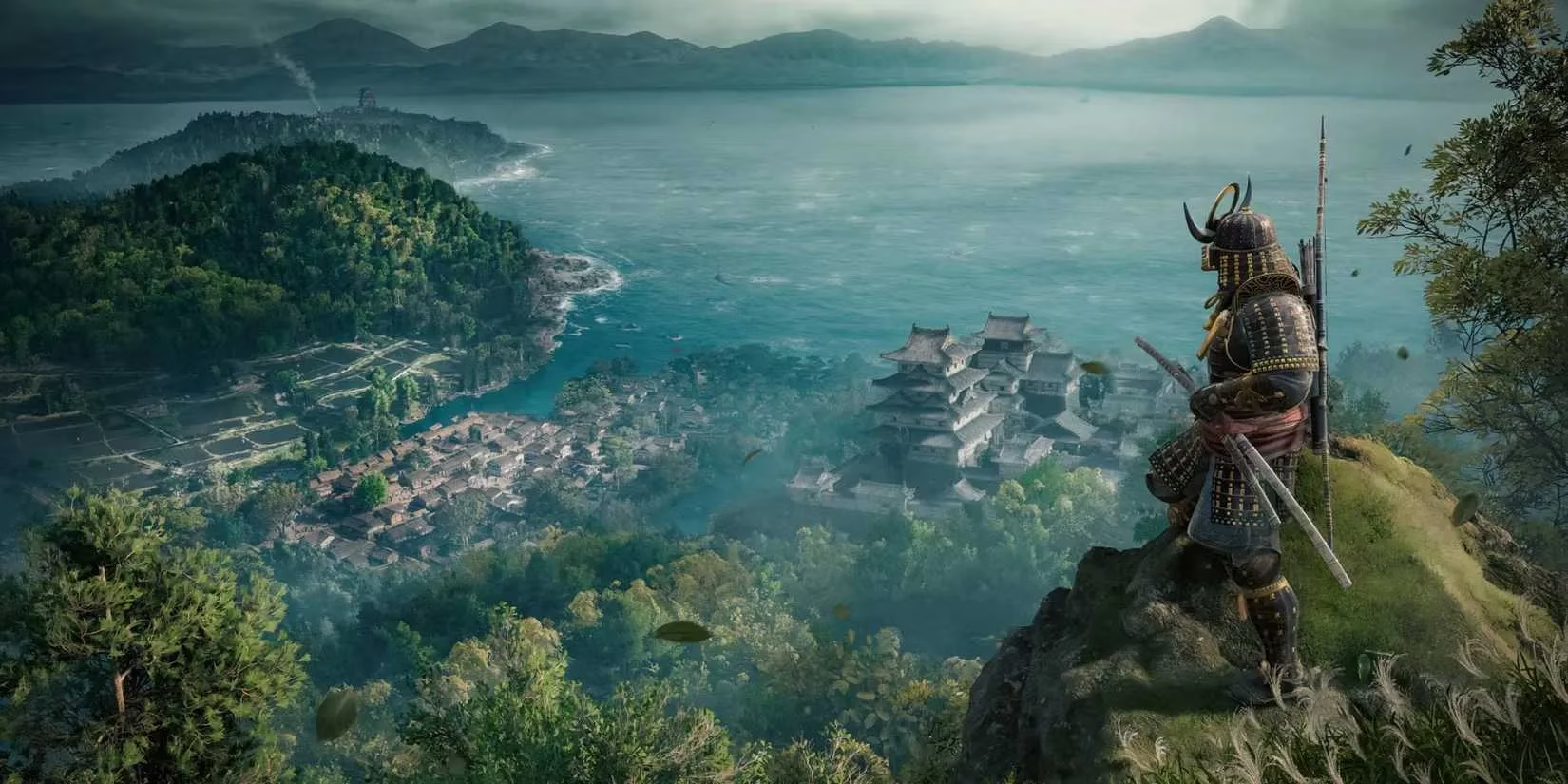
Ubisoft's greatest achievement in Shadows is its 16th-century Japan. Kyoto and Osaka hum with life, their streets winding through markets, temples, and gardens. Smaller villages slow the pace, with humble houses and farmsteads tucked among rolling hills. The world is not a perfect historical document, but it captures the essence of the period with enough confidence that players can feel the setting rather than merely tour it.
The map is large without becoming overwhelming. Side activities are scattered across it with uneven care, yet the beauty of the world makes discovery easy to fall into. That recreation is Shadows' strongest asset. It sets a precedent that the next game will struggle to match, and it proves that world design can carry a flawed game further than polished systems alone.
What the Next Game Must Carry Forward
| Element | Why it matters |
|---|---|
| 🏯 Custom hideout | It turns base building into expression, not a checklist. |
| ⚔️ Quick weapon swap | It keeps combat tactical and fluid. |
| 🥷 Environmental stealth | It makes shadows, snow, and corners matter. |
| 🌸 Feudal Japan detail | It gives the world a sense of place and atmosphere. |
Shadows is not flawless. Its revenge story follows familiar tracks, side content can feel thin, and enemy awareness needs work. But its successes are too valuable to discard. By 2026, the game stands as a clear instruction manual for the next Assassin's Creed: keep the customizable hideout, preserve the responsive combat, deepen the stealth, and treat world design as a headline feature. Ubisoft learned the right lessons under pressure. The next game must show that it remembers them.