In the quiet halls of game libraries, two titles whisper the same name from a shared era. One breathes the dust of history, meticulously reconstructing the land of the rising sun; the other dances in the realm of myth, where shadows bleed and gods walk. They are Assassin's Creed Shadows and Sekiro: Shadows Die Twice, two souls of the 16th century, yet their hearts beat to entirely different drums. One speaks in the grand, cinematic language of a blockbuster, while the other murmurs its secrets in the subtle, haunting poetry of a master craftsman. Let us wander through their worlds, comparing their brushstrokes on the canvas of interactive art.
🎨 A Feast for the Eyes
Winner: Assassin's Creed Shadows
When it comes to pure visual spectacle, Assassin's Creed Shadows is the undisputed champion. Built from the ground up for the latest generation of consoles, it’s a breathtaking journey through feudal Japan. The lighting? Simply stunning—sunlight filters through bamboo groves, and moonlight casts long, dramatic shadows across ancient rooftops. Character models are incredibly detailed, capturing the subtleties of expression and the intricate weave of historical garments. The real showstopper, though, is the dynamic season system. Watch as a vibrant spring garden transforms into a snow-blanketed, silent winter landscape. It’s a living, breathing world that you just have to see to believe.
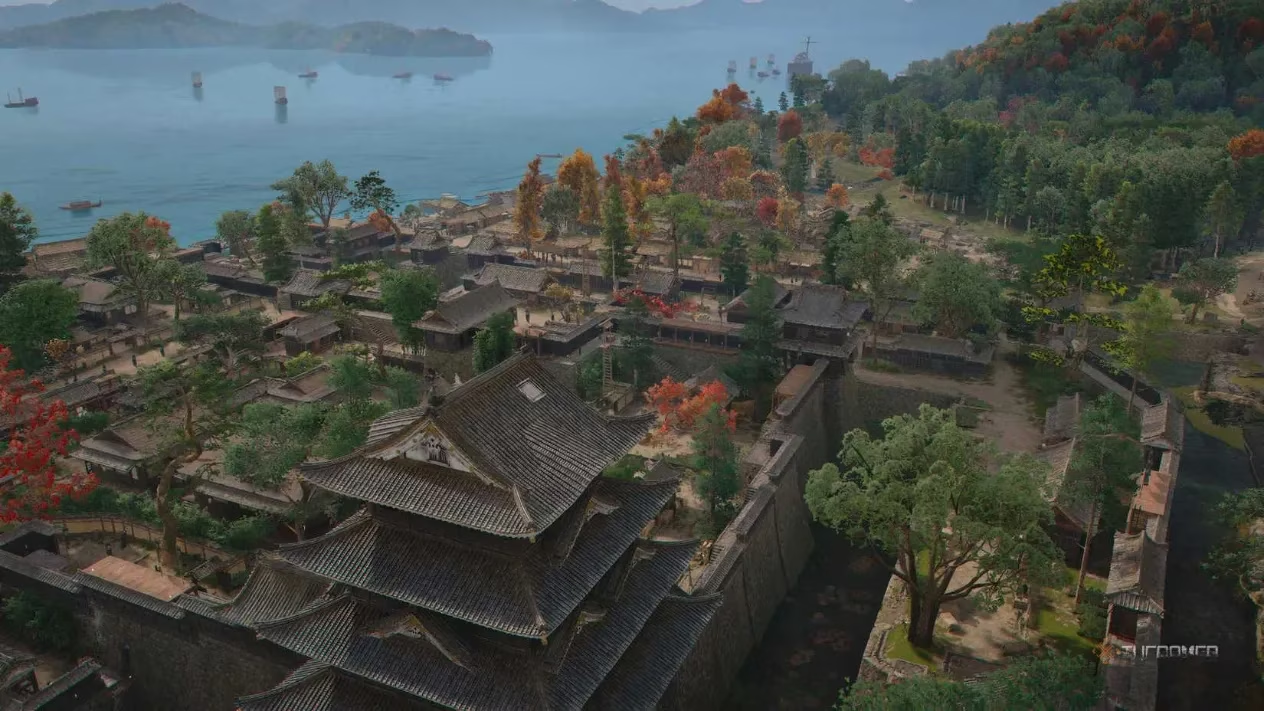
Sekiro: Shadows Die Twice, in contrast, paints with a different palette. Its art direction is a masterpiece of mood and style—a haunting, painterly world of decaying temples, mist-shrouded valleys, and grotesque, beautiful creatures. It holds up remarkably well, a testament to its timeless aesthetic. But, you know, it’s showing its age a bit under the hood, being a last-gen title. From a purely technological standpoint, Shadows takes the crown, no contest. But hey, graphics aren't everything, right?
📖 The Stories We Carry
Winner: Sekiro: Shadows Die Twice
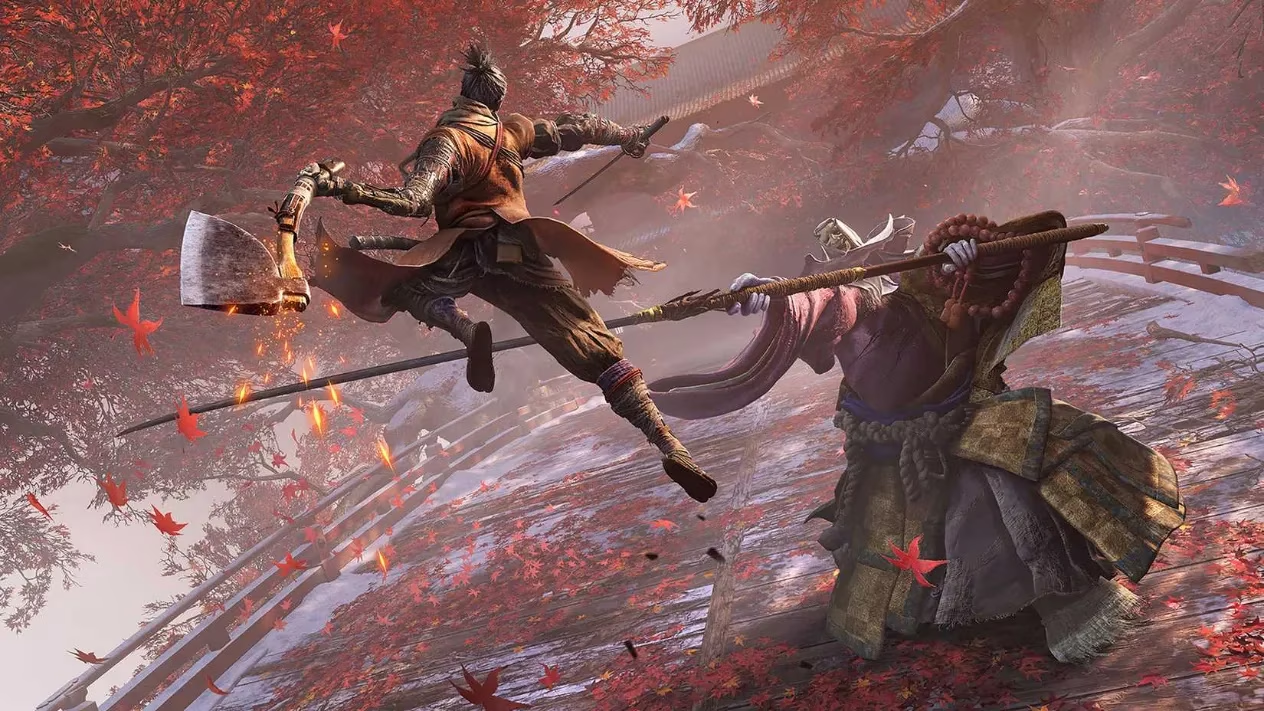
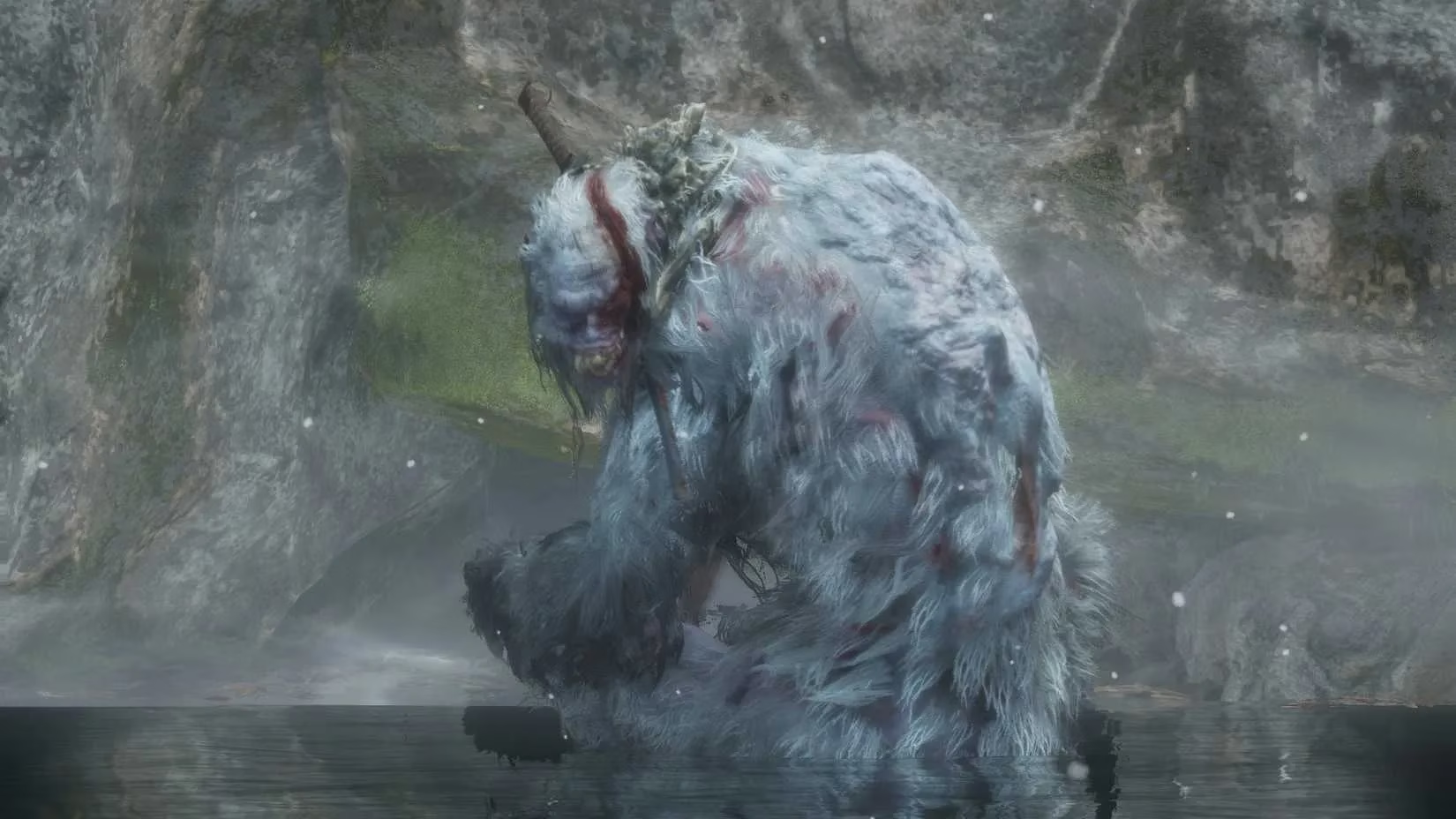
If narrative is the soul of a game, then Sekiro possesses a deeply enigmatic one. It doesn't spoon-feed you its tale through endless cutscenes. Instead, it weaves its story through environmental clues, cryptic dialogue, and the very design of its world. The characters are shrouded in mystery—the Sculptor, the Divine Heir, the haunting bosses like Lady Butterfly and the Guardian Ape. Their designs are unforgettable, and their presence lingers long after the controller is set down. It’s a story that feels earned, one that sticks with you like a persistent memory.
Assassin's Creed Shadows opts for a more traditional, direct approach with its dual protagonists—the stoic samurai and the agile shinobi. It’s grounded in real history, which is cool, but the storytelling can feel a bit... safe. A lot of the characters just don’t have that same magnetic pull or memorability. The plot gets the job done, but it doesn't quite reach for the heart in the same way.
🌌 Lost in the World
Winner: Sekiro: Shadows Die Twice
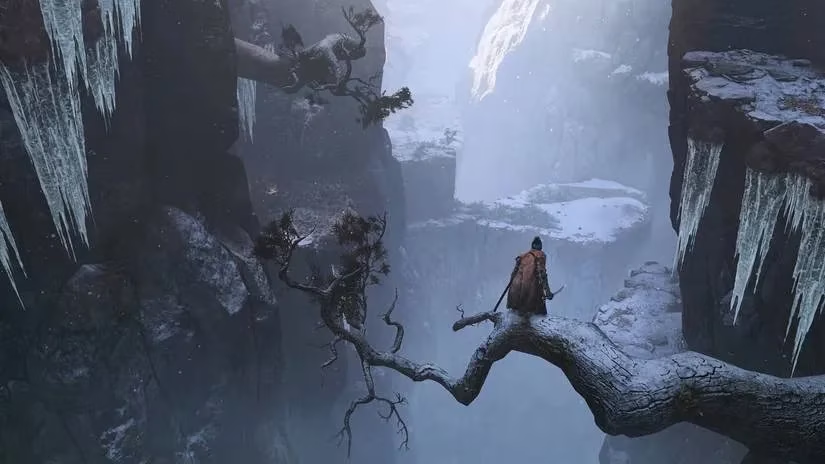
Immersion is a funny thing. Assassin's Creed Shadows builds a vast, authentic replica of Japan, bustling with life in crowded cities and serene countryside. You can almost smell the cherry blossoms. But Sekiro... oh, Sekiro just pulls you into its world and refuses to let go. It’s not an open world, and that’s its secret strength. You are funneled through meticulously crafted, dense environments—a sun-dappled forest hiding deadly assassins, a crumbling castle ascending into the clouds, treacherous mountain paths. Every corner feels alive with danger and mystery, especially when mythical beasts lurk just out of sight. It’s a world that demands your full attention.
Shadows tries hard, but its immersion is sometimes broken by that familiar Ubisoft formula—checklists, repetitive side activities that feel a bit arcadey. It can yank you right out of the historical fantasy it works so hard to create.
🧩 The Architect's Hand
Winner: Sekiro: Shadows Die Twice
Game design is where Sekiro truly shines with a brilliant, laser-focused intensity. Everything in the game serves its one, perfect core: the combat. You unlock skills and prosthetic tools, but they all orbit this central sun. The result is a system that feels incredibly tight, polished, and immensely satisfying to master. The level design is a work of art, full of verticality, hidden passages, and clever shortcuts that make exploration feel rewarding without being overwhelming. It’s lean, mean, and perfectly engineered.
Assassin's Creed Shadows, bless its heart, can't quite escape the shadow of its own series' legacy. It's fun, for sure, but it's packed with activities that feel familiar—maybe a little too familiar if you've played other entries. Compared to Sekiro's surgical precision, Shadows can feel a bit bloated, like a feast with too many similar dishes.
🗺️ The Call of the Unknown
Winner: Assassin's Creed Shadows
When it comes to the pure joy of exploration, Assassin's Creed Shadows offers a vast playground. Its open world is huge, dotted with unique locations begging to be discovered: ancient shrines, imposing castles, hidden waterfalls concealing secret treasure. There's always a new piece of gear to find or a skill point to earn from the myriad activities scattered across the land. The sense of scale and freedom is undeniable.
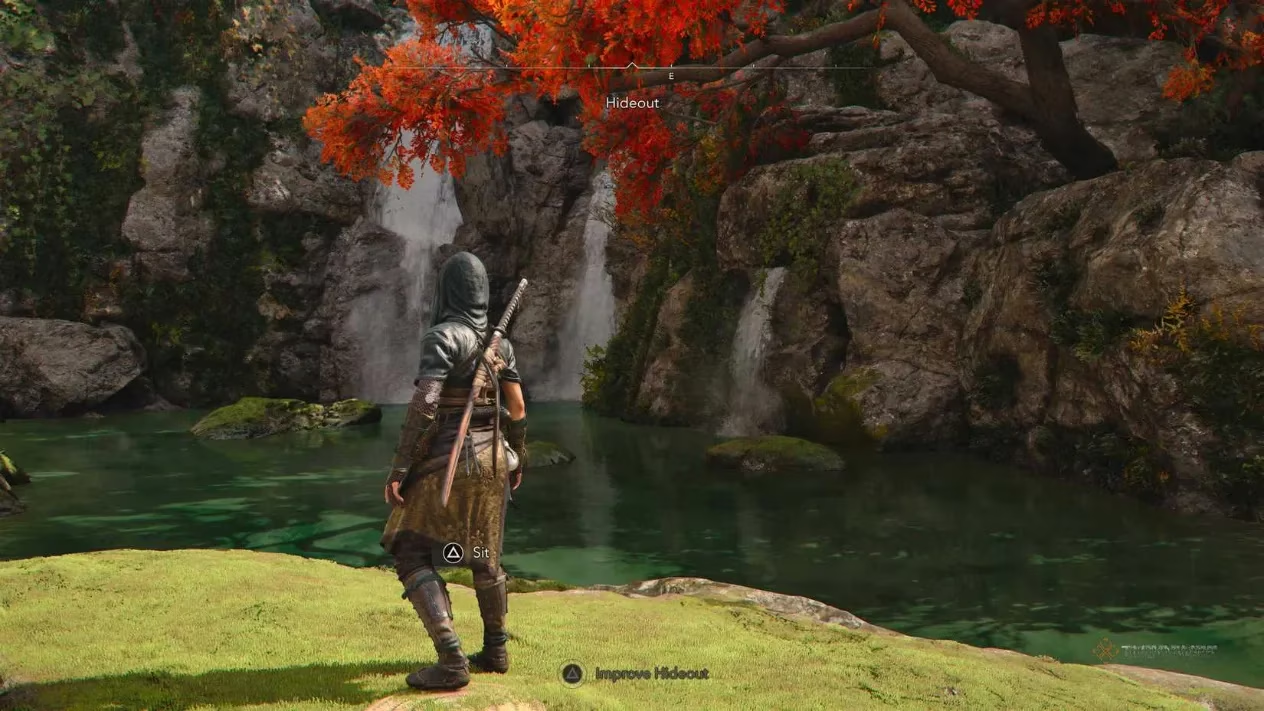
Sekiro's world is smaller and more linear, but it is densely packed with secrets. FromSoftware is a master of hiding worthwhile items, lore, and even entire NPC questlines in plain sight. It rewards the observant player immensely. But if your heart yearns for that classic, open-world "go anywhere" freedom, Shadows simply has more real estate to offer, winning this category by a narrow margin.
⚔️ The Dance of Blades
Winner: Sekiro: Shadows Die Twice
Here lies the heart of the duel. Sekiro's combat is a brutal, beautiful ballet of clashing steel. Forget stamina bars; this is a system built on rhythm, posture, and the perfect deflect. Every encounter, from a lowly foot soldier to a towering boss, feels like a lethal duel where a split-second mistake means death. The learning curve is steep—boy, is it steep—but the payoff is unparalleled. Mastering it is one of gaming's most rewarding experiences.
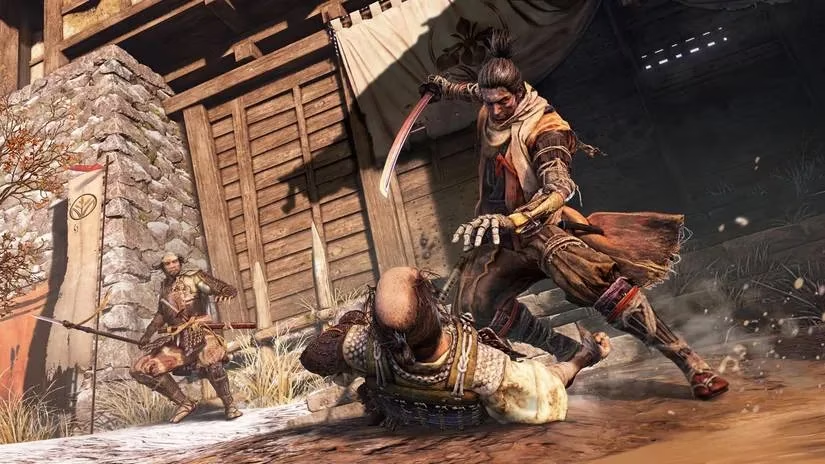
Assassin's Creed Shadows offers variety with its two protagonists, blending samurai stand-offs with shinobi stealth, parkour, and a wide arsenal of weapons. It's fun and gives you plenty of tools for creative problem-solving. But when placed beside Sekiro's deep, focused, and immensely satisfying combat system with its sky-high skill ceiling, it feels a bit more scattered. Shadows gives you more ways to fight; Sekiro gives you a deeper art to master.
🏆 And the Victor Is...
Winner: Sekiro: Shadows Die Twice
In the end, this is a tale of two philosophies. Assassin's Creed Shadows is a magnificent tourist postcard—beautiful, expansive, and comfortably familiar. It's a very good game that plays it safe within a proven formula.
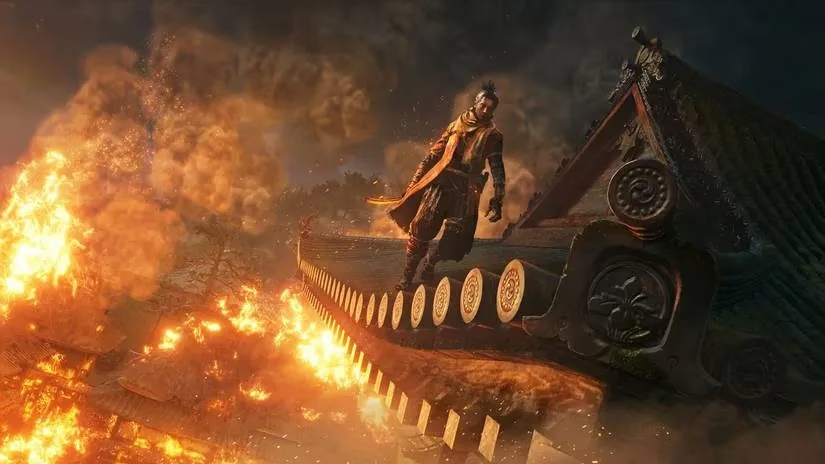
Sekiro: Shadows Die Twice, however, is a master's etching—demanding, unforgiving, and utterly transcendent. Its emotional story, razor-sharp combat, unforgettable boss designs, and compelling world place it on another level entirely. It remains, years after its release, a landmark achievement. It's not for the faint of heart, but for those who answer its call, the journey through its shadows is one of gaming's most profound and rewarding odysseys. The silence after the final clash speaks volumes.